
Tampa Short-Term Rental Attorney | Airbnb & VRBO Compliance, HOA Disputes, and Code Enforcement
Last updated on October 9, 2025
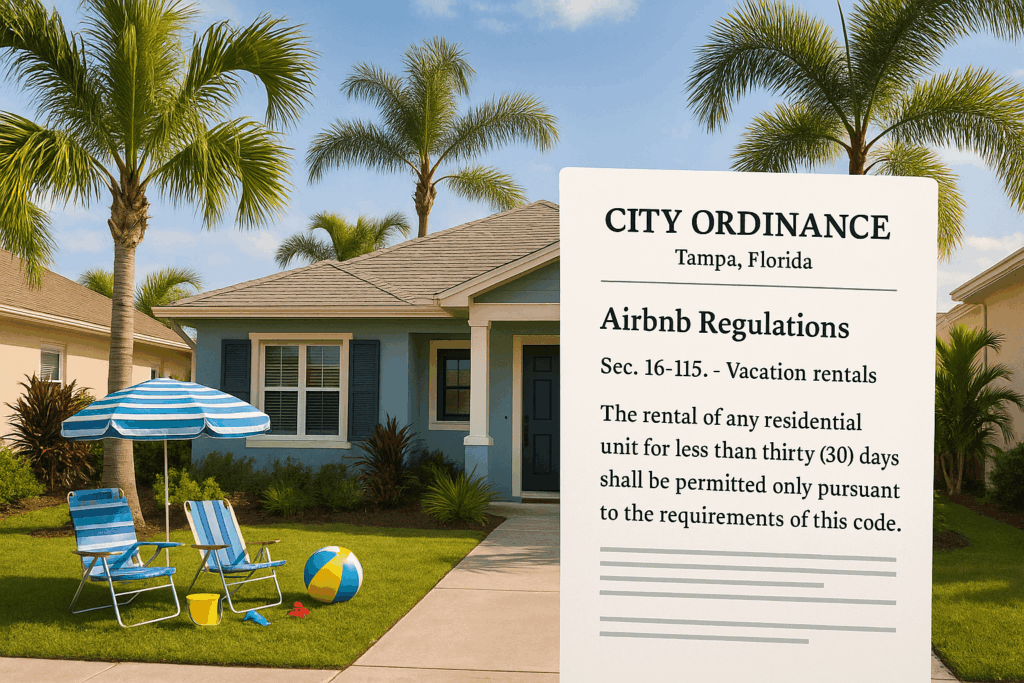
Short-term rentals offer more than just a great vacation option for those looking for a getaway—they also offer a stream of income to property owners. This is particularly true in Tampa, an area that has some of the highest returns for property owners in this market in the nation. Property owners who are interested in taking advantage of the rise in popularity of short-term rentals through platforms like Airbnb, VRBO, and others are wise to have a basic understanding of the legal complexities that come with these arrangements.
Running a Short-Term Rental in Tampa?
Short-term rentals can trigger city, county, and HOA enforcement. If you are operating without the right registrations, approvals, or tax compliance, you may face fines and disruption of operations. Our real estate attorneys help with:
- Compliance reviews and license/business tax receipt guidance
- HOA disputes, selective enforcement, and covenant restrictions
- Code enforcement citations, notices, and appeals
- Guest disputes, property damage claims, and contract strategy
Call us at (727) 275-9575 to schedule a compliance consultation.
Understanding Tampa’s Short-Term Rental Regulations
One of the first steps for any prospective short-term rental owner in Tampa should be a thorough review of both local and state regulations. The City of Tampa has ordinances and enforcement mechanisms aimed at promoting safety, minimizing community disruption, and maintaining the residential character of neighborhoods.
Key compliance topics commonly include:
- Obtaining any required permit, license, or business tax receipt before listing a property for short-term rental
- Meeting safety and health standards (often similar to hospitality requirements)
- Compliance with zoning rules that may restrict short-term rentals in certain areas
- Collecting and remitting applicable tourist development tax (county) and sales tax (state + surtax)
- Having appropriate insurance coverage (many standard homeowners policies are not designed for STR activity)
- Addressing HOA/condominium restrictions that may prohibit or limit STR use even if a city permits it
Understanding these rules can help property owners stay compliant and avoid costly fines or legal actions. If you want guidance on related property disputes, our real estate litigation team can review your situation and map out a defensible compliance plan.
Tampa Short-Term Rental Violations: Penalties You Could Face
Short-term rental enforcement is often complaint-driven (neighbors, HOAs, or inspections), and penalties can add up quickly across multiple agencies. Below is a practical reference table of common STR compliance problems owners encounter. Actual penalties depend on the specific ordinance, facts, and enforcement authority.
| Violation | Common Consequence | Why It Matters |
|---|---|---|
| Operating without required registration/receipt | Fines, compliance orders, listing disruption | Creates leverage for code enforcement and HOA action |
| Occupancy / party issues | Citations, repeated complaints, operating restrictions | Often drives neighbor complaints and stricter scrutiny |
| Noise / nuisance complaints | Citations, hearings, escalating penalties | May trigger enforcement even if everything else is compliant |
| Tax noncompliance | Back taxes, penalties/interest, audit exposure | Tax issues can snowball faster than code issues |
| HOA / condo rule violations | Fines, injunction claims, suspension of use rights, litigation | HOA enforcement can proceed regardless of city posture |
Important: Penalties can be cumulative across city/county/HOA enforcement. If you receive a notice or citation, early review often prevents avoidable escalation.
How to Set Up a Tampa Short-Term Rental
Every property is different, but a responsible STR setup usually follows a predictable path:
- Confirm the property is eligible. Review zoning, overlay districts (if any), and HOA/condo restrictions before listing.
- Handle local registration requirements. Many owners need a business tax receipt or similar registration before operating.
- Set up tax compliance. Determine what is collected by the platform versus what you must file and remit yourself.
- Update insurance coverage. STR activity can create coverage gaps if you rely on a standard homeowner policy.
- Document operations. House rules, local contact procedures, and records retention reduce risk when complaints arise.
Common Legal Disputes—and How to Avoid Them
With the legal framework in place, several common disputes can still arise, often related to issues with guests, community complaints, or breaches of contract. Being proactive in managing your rental property can mitigate many of these risks.
- Guest disputes and damages: Use written house rules and clear expectations; document the condition of the property before and after stays.
- Neighbor complaints: Keep communication open, address issues quickly, and enforce noise/parking rules consistently.
- HOA enforcement: Review covenants and any rental caps; do not assume a city-approved STR is permitted by the association.
- Compliance disputes: Keep your registrations, notices, and filings organized so you can respond quickly to enforcement inquiries.
These measures not only help in avoiding disputes but also ensure a smoother operation of your rental business.
Tampa Short-Term Rental FAQs
Can I operate a short-term rental in any Tampa neighborhood?
Not always. Restrictions can come from zoning, overlay districts, and—very commonly—HOA/condominium rules. Before investing or listing, confirm eligibility across all applicable layers of regulation.
How does Tampa enforce short-term rental regulations?
Enforcement is frequently triggered by complaints (noise, parking, trash, occupancy), and can also involve code enforcement inspections, hearings, and escalating penalties. Fast, documented responses usually matter.
Do I need an LLC to operate a short-term rental in Tampa?
An LLC is not always required to operate, but entity structuring is often a smart liability and operations decision depending on your risk profile, insurance, and income goals. We can help you evaluate whether a business entity is appropriate for your specific situation.
What happens if my neighbors complain about my short-term rental?
Complaints can lead to code enforcement contact, HOA action, and repeated scrutiny. The best approach is prevention: clear rules, quick response procedures, and consistent enforcement with guests.
Legal Protection for Your Tampa Rental Property
Owning a short-term rental in Tampa can be a profitable venture, but it comes with its set of legal responsibilities. By staying informed about local rules and proactive in property management, owners can significantly reduce the risk of legal issues and maintain a beneficial relationship with both guests and the surrounding community. This proactive approach safeguards your investment and contributes to a positive short-term rental experience for everyone involved.
In the event of a dispute, it is wise to seek legal counsel with experience in this niche area of property law. The attorneys at Bernhardt Riley, Attorneys at Law, PLLC have experience handling short-term rental property disputes and can advocate for your interests. Whether you’re dealing with HOA disputes, code enforcement issues, or guest conflicts, we’re here to help.
Need Legal Review of Your Tampa Short-Term Rental?
Our real estate attorneys help Tampa STR owners with:
- Compliance reviews (are you operating legally?)
- HOA disputes and violations
- Code enforcement citations and appeals
- Neighbor disputes and lawsuits
- STR rules, disclosures, and contract strategy
- Entity setup guidance (LLC considerations)
Call (727) 275-9575 or fill out our online contact form.
Serving Tampa, Clearwater, Palm Harbor, St. Petersburg, Jacksonville, and all of Florida.