
Florida Eviction Disputes: How Landlords Can Protect Their Rights and Avoid Costly Mistakes
A dispute over an eviction can be a challenging scenario, especially when a tenant alleges violations of their rights. Unfortunately for all parties involved, this is a growing problem in Florida. Understanding the proper legal process is critical for landlords to protect their rights and avoid costly mistakes.
Step 1: Review the Law Before You Act
The eviction process for non-payment of rent is explained by Florida law. In general, landlords must follow a strict sequence of steps to avoid legal repercussions:
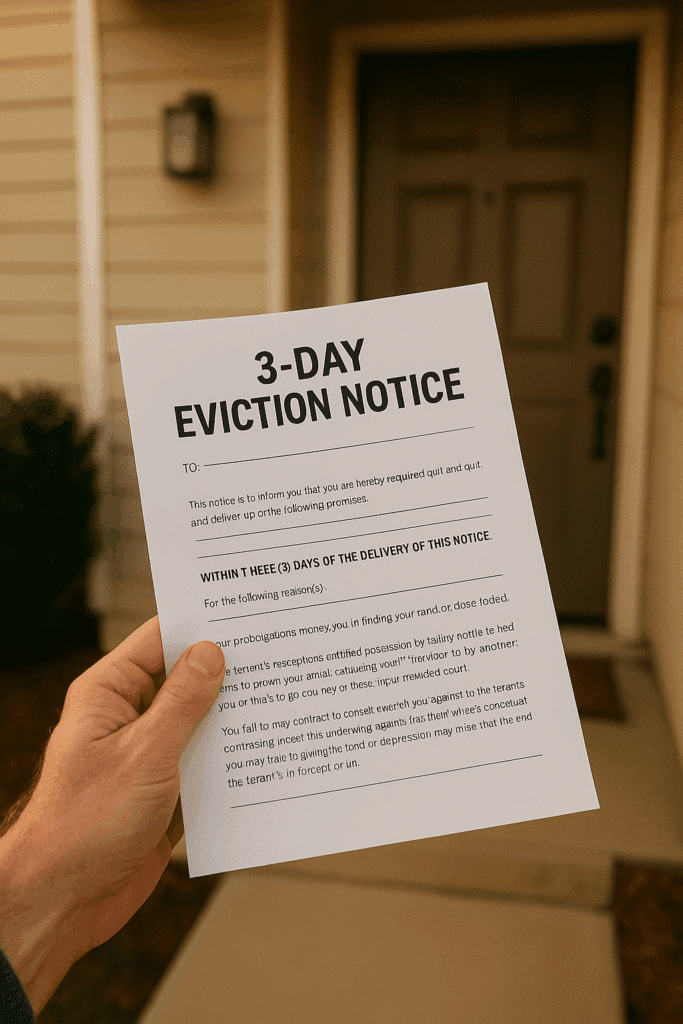
- Provide a written notice to the tenant (often a three-day notice for non-payment) to pay the rent or vacate.
- If the tenant fails to comply, the landlord may then move forward with filing an eviction case in court.
In any dispute, it is important to keep detailed records of all communications and transactions. This is true for both the landlord and the tenant. Documentation can be critical if the dispute escalates into formal legal proceedings.
Step 2: Respect the Other Party’s Rights
A tenant may challenge an eviction by claiming that the landlord’s actions violated the tenant’s rights. Common allegations include failure to maintain the property, improper notice, or retaliatory eviction. Landlords are wise to review their procedures and the condition of the property to better ensure compliance with Florida law and local housing requirements. A failure to follow the rules can undermine a landlord’s ability to move forward with an eviction.
It is also important to remember that housing laws and regulations can change. Staying informed and periodically reviewing lease terms, office policies, and notice templates can help avoid unintentional violations.
Florida Eviction Timeline
Below is a high-level overview of the Florida eviction process. Timelines vary by county, tenant response, and court backlog.
| Step | Typical Timeline | Action Required |
|---|---|---|
| 1. Notice | 3–30 days | Serve the appropriate notice (commonly a 3-day notice for non-payment; other situations may require different notices). |
| 2. File Complaint | After notice expires | File the eviction complaint with the clerk of court and pay filing fees. |
| 3. Serve Summons | Typically within days | The summons and complaint must be served on the tenant (service rules apply). |
| 4. Tenant Response | Short statutory window | Tenant may respond/defend; court procedures govern what happens next. |
| 5. Judgment / Hearing | Varies | If contested, the court schedules a hearing; if not, a default may be entered. |
| 6. Writ of Possession | After judgment | Landlord requests a writ; the sheriff carries out the writ under statutory procedure. |
Average timeline: Uncontested evictions often take about 30–45 days. Contested cases frequently take longer.
Never Use “Self-Help” Evictions in Florida
Florida does not allow landlords to force a tenant out without using the court process. Avoid actions that can create major liability and delays, including:
- Changing locks or locking the tenant out
- Removing the tenant’s belongings
- Shutting off utilities
- Harassing or threatening the tenant
- Removing doors or windows
Even if rent is unpaid, these actions can backfire and create new claims against the landlord. In Florida, only the sheriff can complete the physical removal process after a court order and writ.
Common Eviction Mistakes Landlords Make
- Improperly serving the notice: The three-day notice calculation for non-payment generally excludes weekends and legal holidays.
- Filing too early: Filing before the notice period expires can result in dismissal and restarting the process.
- Accepting partial rent after notice: Depending on the facts, accepting payment can complicate or “cure” the default and force you to restart.
- Incomplete filing: Missing documents (such as the lease when required) can delay the case.
- Procedural missteps: Eviction is technical—mistakes often lead to delay, added costs, and starting over.
Need Help with a Florida Eviction Dispute?
If your tenant is contesting an eviction or accusing you of violations, early legal guidance can help you stay compliant, reduce risk, and move the case forward efficiently. For assistance, contact Bernhardt Riley, Attorneys at Law, PLLC at (727) 275-9575.
Statutory reference: Florida Statutes, Chapter 83 (Landlord and Tenant). (Checked as of 2025-10-09.)